Moisture Mapping 101: How to Prevent Mold Before It Starts in Vernon
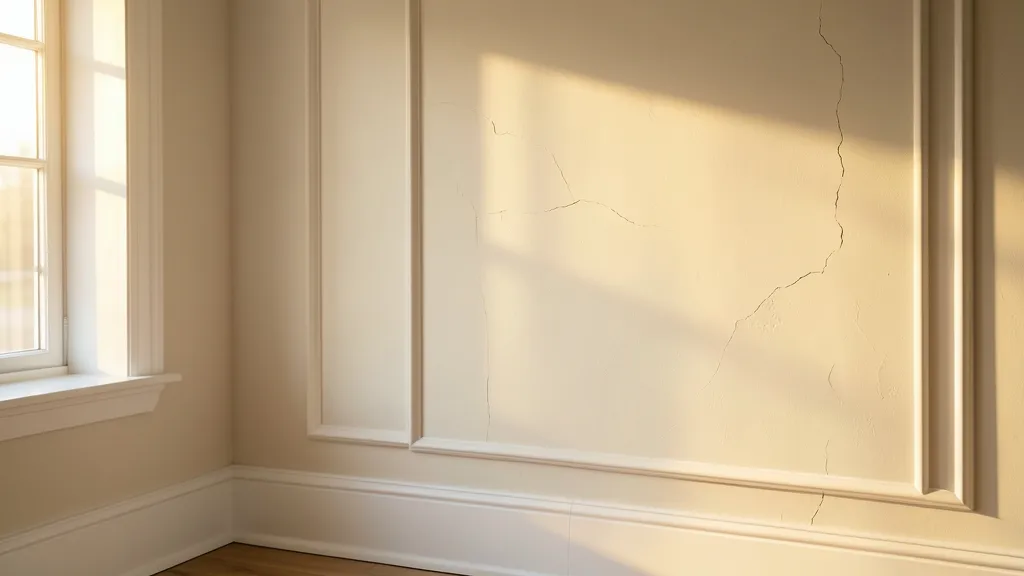
Mold doesn’t appear overnight—it thrives where moisture lingers unseen. In our climate, with humid summers and wet springs, hidden dampness in basements, attics, or crawl spaces is a silent invitation. Moisture mapping helps us find and fix these problem areas before mold takes hold.
What Is Moisture Mapping and Why It Matters
Moisture mapping is a systematic process to identify, measure, and visualize excess moisture in buildings. It’s the first line of defense against mold, which needs just 24–48 hours of dampness to start growing.
Unlike a quick visual check, moisture mapping uses tools like thermal imaging and hygrometers to detect hidden water in walls, under flooring, or above ceilings. This is critical in older homes common in Manchester and Vernon, where plumbing or foundation issues often go unnoticed.
Common Moisture Hotspots in Local Homes
Basements and crawl spaces top the list, especially in neighborhoods near the Hockanum River or low-lying areas in Tolland. Poor drainage or cracked foundations let water seep in, creating ideal mold conditions.
Attics are another culprit. Insufficient ventilation traps humidity from daily activities, leading to condensation on rafters. We often see this in Bolton homes with older roofing systems.
Bathrooms, kitchens, and laundry rooms also demand attention. Leaky pipes or exhausted air from showers can saturate drywall, particularly in tightly sealed modern builds.
| Area | Primary Moisture Source | Risk Level |
|---|---|---|
| Basement | Groundwater seepage, poor grading | High |
| Crawl Space | Vapor intrusion, lack of encapsulation | High |
| Attic | Poor ventilation, roof leaks | High |
| Bathroom | Plumbing leaks, exhaust fan failure | Medium |
| Kitchen | Sink/dishwasher leaks, humidity | Medium |
| Exterior Walls | Capillary action, flashing failures | Medium |
Essential Tools for Accurate Moisture Mapping
A quality hygrometer measures relative humidity—anything above 60% in indoor spaces signals trouble. We use calibrated models to ensure accuracy, as cheap sensors can mislead.
Thermal imaging cameras reveal temperature differences that indicate moisture. Cold spots on walls often mean water intrusion, while warm areas in attics can point to condensation issues.
Moisture meters with pin or pinless probes help quantify the moisture content in materials like drywall or wood. For example, wood should stay below 15–18% moisture to prevent mold.
Combine tools for best results. A thermal camera spots the problem area, while a moisture meter confirms the exact levels. This duo is our go-to in South Windsor homes with suspected hidden leaks.
Step-by-Step Moisture Mapping Process
Start with a visual inspection. Look for water stains, peeling paint, or efflorescence (white mineral deposits) on masonry. These are red flags for chronic moisture.
Next, use a thermal imaging scan to identify temperature anomalies. Pay special attention to corners, window frames, and areas near plumbing fixtures.
Take humidity readings in every room, especially basements and attics. Note that humidity can vary significantly between floors due to stacking effect in multi-story homes.
When to Call in the Pros for Mold Prevention
If you detect moisture levels above safe thresholds or spot signs of past water damage, it’s time for a professional assessment. Our team uses advanced moisture mapping to create a remediation plan tailored to your home.
We also recommend professional moisture mapping after major events like flooding or plumbing failures. Even if the water is gone, residual moisture can linger in porous materials, leading to mold growth within days.
For commercial properties in Vernon, regular moisture mapping is part of proactive maintenance. Offices and retail spaces often have hidden HVAC issues that can spread moisture unnoticed.
DIY moisture tests can miss critical issues. For instance, a surface reading might be dry, but moisture could be trapped behind vinyl flooring or drywall. Always verify with invasive or advanced non-invasive methods.
Long-Term Moisture Control Strategies
Proper grading and gutter systems direct water away from your foundation. In Vernon’s clay-heavy soil, poor drainage can lead to hydrostatic pressure, pushing water through basement walls.
Vapor barriers in crawl spaces and basements are non-negotiable. Encapsulation with a high-quality barrier, combined with a dehumidifier, keeps relative humidity below 50%.
Improve attic ventilation with soffit and ridge vents. This prevents warm, moist air from condensing on cold surfaces. In older homes, adding a radiant barrier can also reduce heat-driven moisture migration.
Moisture Control Checklist
- Inspect and clean gutters and downspouts twice a year
- Install a sump pump with battery backup in basements
- Use exhaust fans in bathrooms and kitchens, vented outdoors
- Seal gaps around windows, doors, and plumbing penetrations
- Monitor humidity levels with a digital hygrometer
Linking Moisture Mapping to Mold Remediation
Moisture mapping isn’t just prevention—it’s the foundation of effective mold remediation. Before we remove mold, we must stop the moisture source, or it will return. This is why our mold removal process always starts with a thorough moisture assessment.
In cases of extensive water damage, we often combine moisture mapping with water damage restoration. For example, after a burst pipe in a Manchester home, we map moisture to ensure all affected areas are dried before rebuilding.
For attic mold remediation, we use moisture mapping to identify if poor ventilation or roof leaks are the root cause. Fixing these issues prevents recurrence after we’ve cleaned the mold.
How to Conduct a Basic Moisture Inspection at Home
You don’t need professional tools to start identifying moisture risks in your home.
- 1Gather Basic Tools
Use a inexpensive hygrometer (under $50) and a flashlight. A moisture meter is helpful but not essential for a preliminary check.
- 2Check for Visual Signs
Look for water stains, discoloration, or moldy odors in basements, attics, and around windows. Pay attention to musty smells, which often indicate hidden moisture.
- 3Test Humidity Levels
Take readings in each room, especially basements and bathrooms. Ideal indoor humidity is 30–50%. Anything higher warrants further investigation.
- 4Inspect Problem Areas
Use your flashlight to examine under sinks, behind toilets, and around appliances. Check for dampness, peeling caulk, or rust on pipes.
- 5Document Findings
Note areas with high humidity or visible moisture. If you find persistent issues, request a quote for professional moisture mapping and mold inspection.
Frequently Asked Questions
How often should I check for moisture in my Vernon home?
We recommend a basic visual and humidity check every season, especially after heavy rains or snowmelt. For homes with past water issues or in flood-prone areas like parts of South Windsor, quarterly professional moisture mapping is wise.
Can high humidity alone cause mold growth?
Yes. Mold spores are everywhere, and they only need organic material (like drywall or wood) and moisture to grow. Consistent humidity above 60% can lead to mold even without visible water leaks.
What’s the difference between moisture mapping and mold testing?
Moisture mapping identifies where excess water is present, while mold testing confirms the presence and type of mold. Both are often needed: mapping finds the problem areas, and testing validates if mold is already growing there.
Is moisture mapping necessary if I don’t see mold?
Absolutely. Mold often grows in hidden areas like inside walls or under flooring. Moisture mapping helps catch these issues early, before mold becomes visible—or before it spreads to other areas like your attic or crawl space.
Does moisture mapping help with insurance claims?
Yes. Detailed moisture maps and reports provide documentation of water damage or potential mold risks, which can support claims for water damage restoration or mold remediation. Always keep records of professional assessments.
Can I do moisture mapping myself, or should I hire a pro?
Basic checks with a hygrometer or moisture meter can give you a general idea, but professionals use advanced tools like thermal imaging and invasive probes to detect hidden moisture. For accurate, comprehensive results—especially before buying a home—hire a pro.